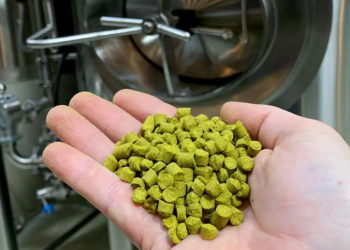
In the world of modern IPAs, hopping techniques are evolving quickly. Breweries are seeking cleaner, more intense, and more stable aromas. They want to reduce unwanted bitterness, limit grassy notes, and avoid the oxidation associated with dry hopping. In this context, a technique still little‑known in France is gaining traction in the United States: Dip Hopping.
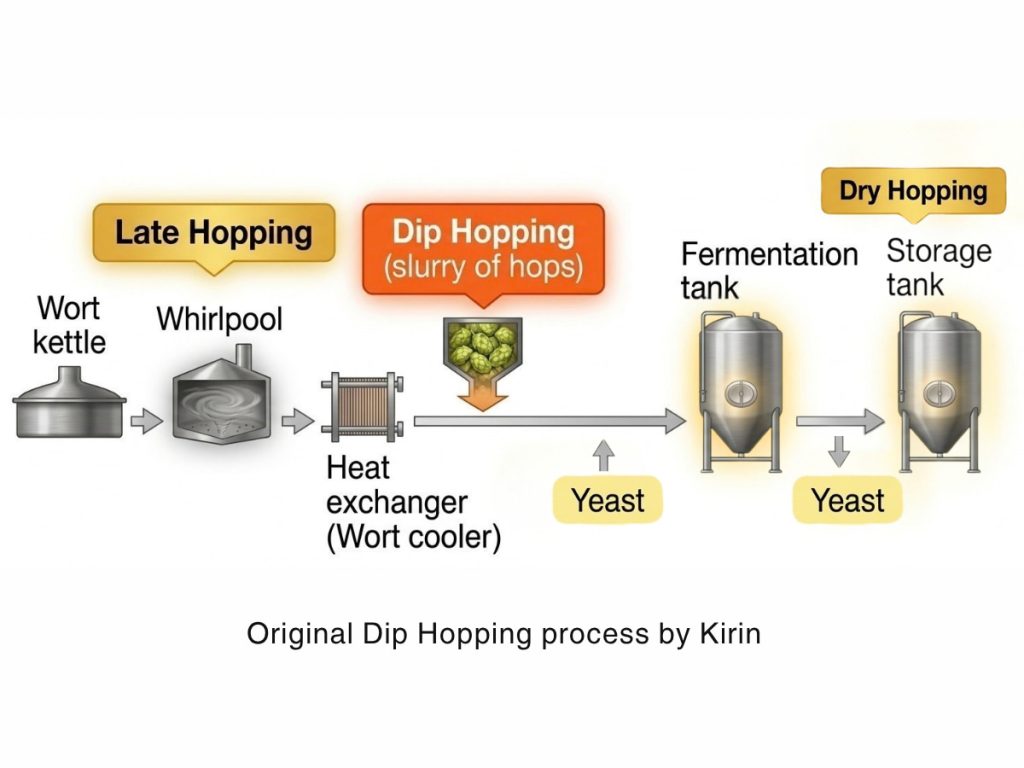
Developed in Japan by Spring Valley Brewing (a Kirin subsidiary), this method complements whirlpool and dry hopping perfectly. It extracts key hop aromas while limiting vegetal off‑flavors.
The principle of Dip Hopping
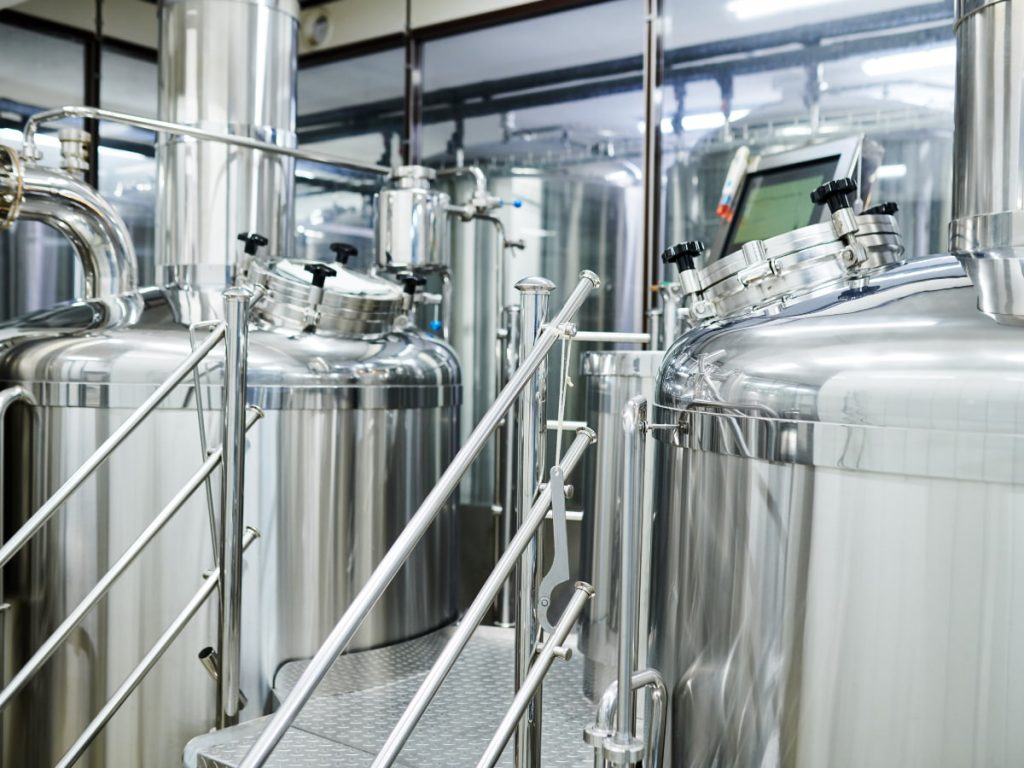
Dip Hopping consists of steeping hops in a hot liquid directly inside the fermenter. This step takes place between the whirlpool and the dry hop. It does not add bitterness. Its purpose is to release aromatic compounds in a controlled environment.
The idea is to create a very concentrated “hop tea,” held between 66 °C and 77 °C for about 60 minutes.
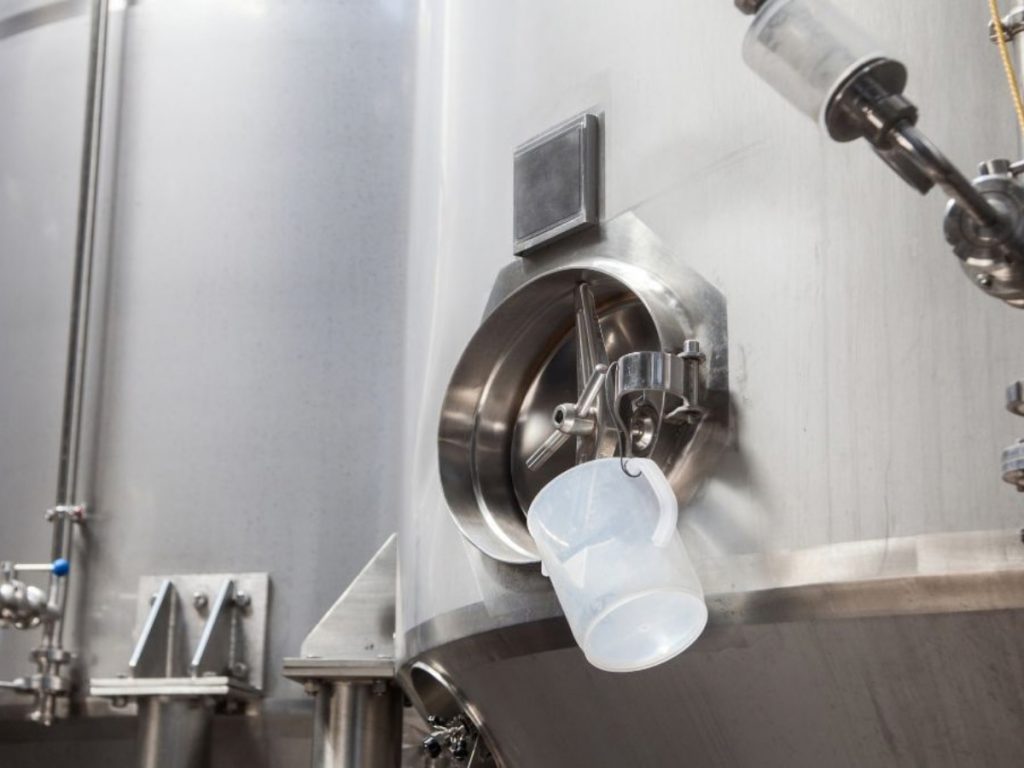
The hops then remain at the bottom of the fermenter throughout fermentation and are naturally removed during yeast dumping or the cold crash.
Recommended dosing
In a brewery setting, the average dosage ranges from 2 g/L to 5 g/L (i.e., 200–500 g/hL) of the total volume.
Recommended hop varieties
Dip Hopping sits between whirlpool and primary‑fermentation dry hopping (which it can fully replace). We therefore recommend varieties with strong biotransformation potential:
The two infusion protocols
- Hot‑wort method (recommended): draw off 5–10 % of the wort at the start of the boil or at the end of lautering. Cool it to around 77 °C. Pour it over the hops in the fermenter and let it steep for 1 hour. This avoids any dilution of the wort.
- Hot‑water method: place the hops in a sanitized fermenter purged with CO₂. Add about 5 % of the total volume in hot water at 80–85 °C. The mixture naturally stabilizes between 66 °C and 70 °C.
After one hour of steeping, transfer the rest of the cooled wort on top. Then pitch the yeast as usual.
💡 Also on the blog: How Mash Hopping can make your aromas explode
Discover a hot‑side hopping technique that enriches the aromatic complexity of your wort right from the mash tun.
Why adopt Dip Hopping?
1. Cleaner aromas with zero unwanted bitterness
Within this temperature range (66–77 °C), alpha‑acid isomerization is almost nonexistent. The brewer efficiently extracts valuable monoterpenes such as linalool and geraniol, avoiding harsh bitterness or astringency.
2. A drastic reduction in vegetal and sulfur off‑flavors
Dip Hopping effectively removes undesirable volatile compounds. Moderate heat promotes the evaporation of myrcene, responsible for green, herbal notes. In addition, the initial degassing reduces sulfur compounds such as H₂S or 2M3MB (onion/garlic off‑flavors).
3. Strong amplification of biotransformation
Dip Hopping introduces hops before fermentation begins. Yeast therefore interacts very early with aromatic precursors. Its enzymes metabolize these molecules, revealing complex fruity, floral, and tropical notes.
💡 Also on the blog: Oxidation in beer — how to prevent it with Mash Redox
To ensure long‑term stability of your hop aromas, learn how to fight hot‑side oxidation right from the mash phase.
| Process step | Action required | Target parameter | Organoleptic impact |
|---|---|---|---|
| 1. Initial infusion | Pour the hot wort over the hop resin/pellets in the fermenter | 66–77 °C for 30 to 60 min | Intense extraction of essential oils (myrcene, linalool) |
| 2. Degassing (Purge) | Expel air / purge the fermenter or allow undesirable volatile compounds to escape | Atmospheric pressure or CO₂ flushing | Removal of raw myrcene and onion/garlic off‑flavors (DMS/sulfides) |
| 3. Cooling & Yeast Pitching | Finish filling with cooled wort and inoculate the yeast | 18–20 °C (depending on strain) | Activation of thiol and terpene biotransformation |
⚠️ Equipment Warning:
Dip Hopping infusion takes place between 66 °C and 77 °C inside the fermenter. Use a stainless‑steel fermenter (unitank or cylindro‑conical) whenever possible. If you use a PET fermenter, carefully check its maximum tolerated temperature (often 50–55 °C) — exceeding it can deform or permanently damage the vessel.
💡 Also on the blog: CIP Cleaning — everything you need to know to get started
Adding hops directly into the fermenter requires impeccable hygiene. Review the best practices for effective CIP cleaning.
Maximize Dip Hopping with the right yeast
Dip Hopping releases a massive amount of aromatic precursors in the fermenter. To convert these non‑volatile compounds into true sensory “bombs,” choosing the right yeast becomes decisive.
WHC Lab THIOL Unleashed Dry Yeast (500 g)
This hybrid strain exhibits exceptionally strong beta‑lyase activity. It cleaves bound hop thiols, releasing intense aromas of passion fruit, guava, and citrus.
- Pro Format 500 g: suitable for the needs of microbreweries and experimental batches.
- Perfect synergy: when paired with Dip Hopping, the yeast multiplies tropical expression without requiring heavier dry‑hop additions.
- Recommended dosage: 50–80 g/hL, depending on original gravity and desired intensity.
In summary
Dip Hopping is a modern, precise, and cost‑effective technique. By integrating this warm steeping step before fermentation, you gain cleaner aromatic expression, eliminate sulfur off‑flavors, and maximize your yeast’s biotransformation potential.
It’s an ideal technical lever to upgrade your Hazy IPA, West Coast, or Pale Ale recipes.
Need help choosing the right hop?
👉 Check out our selection of aromatic hops
👉 Contact our team for personalized advice or a quote: [email protected]